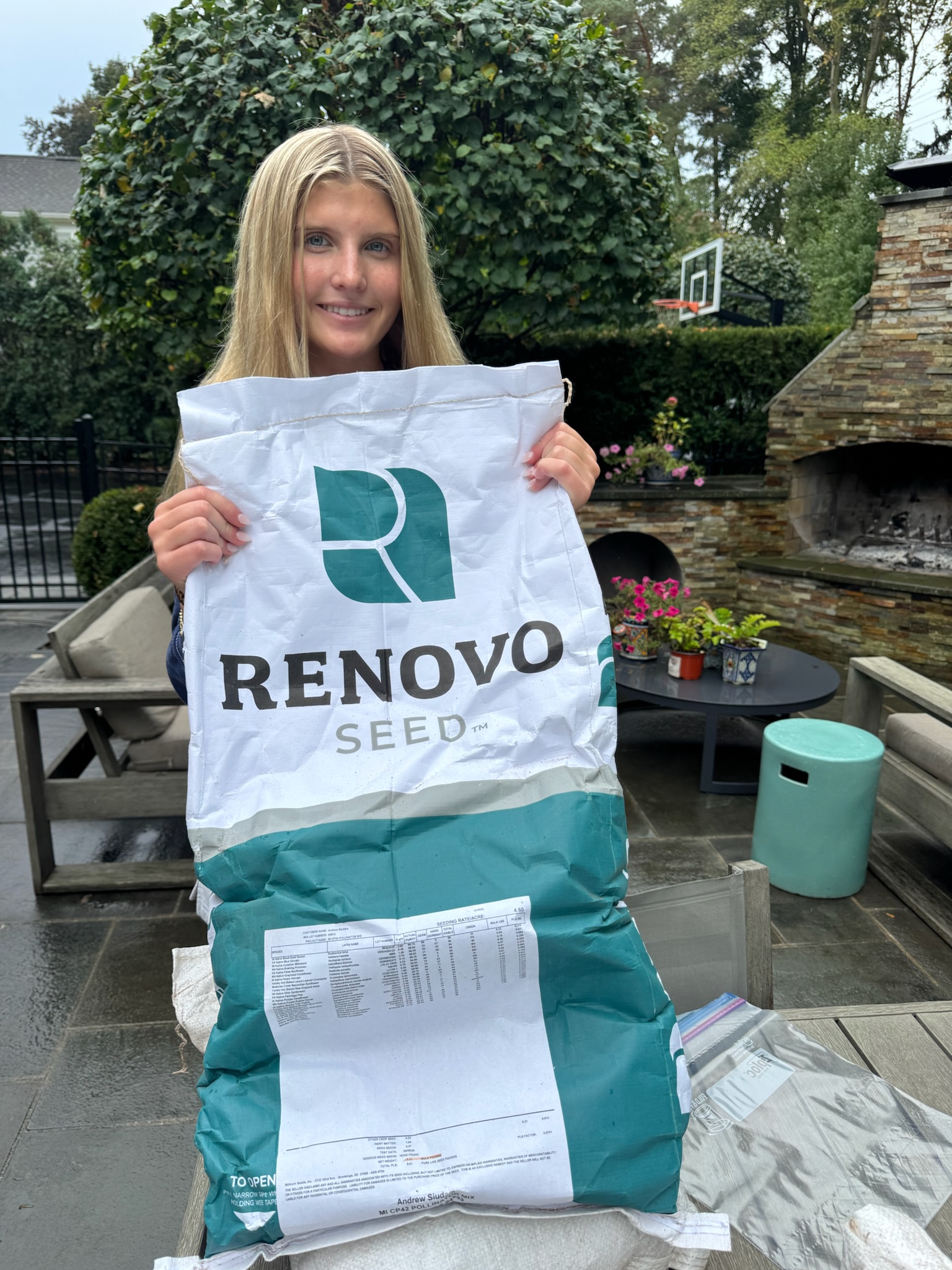
The seeds arrived
After researching Michigan-native species, we sourced a custom wildflower and milkweed blend from Renovo Seed — chosen for bloom timing, monarch host value, and regional hardiness.
A certified Monarch Waystation on a real migratory corridor — where science, conservation, and community come together to give monarchs a fighting chance.
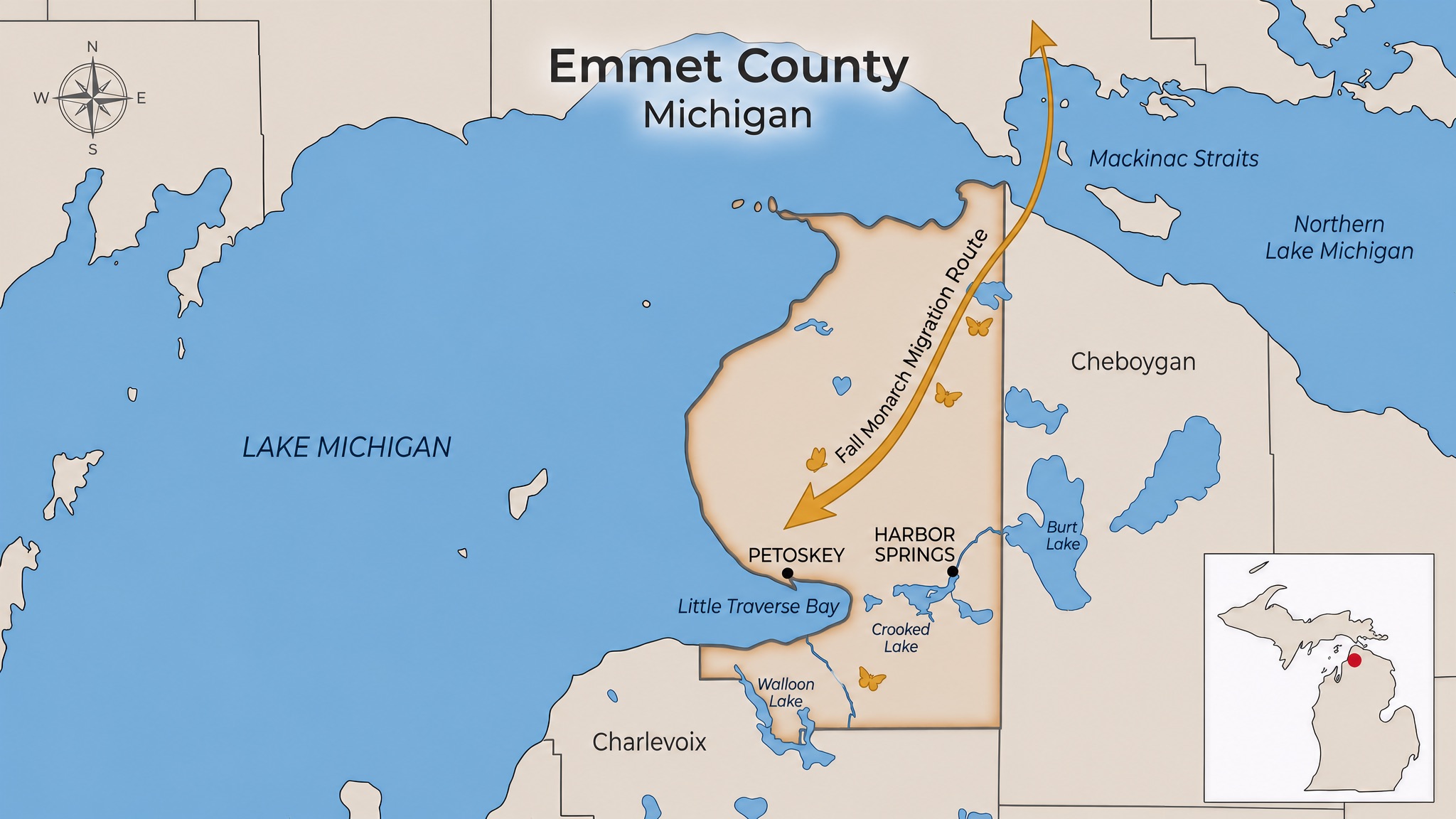
The Northern Wings Waystation is in Emmet County, MI — the northernmost part of Michigan's Lower Peninsula (The Mitten), positioned between Lake Michigan and Lake Huron.
The eastern population of the Monarch butterfly migrates each year between the northern U.S. and Canada and overwintering sites in Mexico. In spring, monarchs spread northward and repopulate the Great Lakes region. In late summer and fall, a new generation heads south — and many pass directly through northern Michigan on their way toward Mexico.
Because of the Great Lakes, monarch migration is not a straight path. These butterflies tend to follow shorelines and natural land corridors, creating concentrated travel routes. Emmet County forms one of these natural funnel points, making it an especially important passage area during migration.
Consulted Monarch Watch, local conservation experts, and reviewed scientific literature on monarch migration corridors to identify the highest-impact location in northern Michigan.
Collaborated with Dr. Nick Haddad (Michigan State University) and Dr. Nate Sanders (University of Michigan) on project planning, optimal milkweed species selection, and impact-measurement frameworks.
Secured permission from a private landowner on property that sits directly on the migration corridor, is protected from road exposure, and has established soil conditions ideal for native plant growth.
Determined native seed types that benefit monarchs and work with the local soil profile. Mapped coverage and seed amounts, identified optimal planting times, and selected planting methods appropriate for the scale of the site.
Native seeds were secured through private donations. The landowner contributed time and equipment as part of broader habitat management. Local conservation partners provided additional support.
Seeding was timed as close to first frost as possible to avoid early germination — perfectly timed for cold stratification. The site was tilled and seeded using a seed drill and cultipack method to ensure even establishment across the full acreage.
A growing season at the waystation: from seedling to sanctuary.
After researching Michigan-native species, we sourced a custom wildflower and milkweed blend from Renovo Seed — chosen for bloom timing, monarch host value, and regional hardiness.
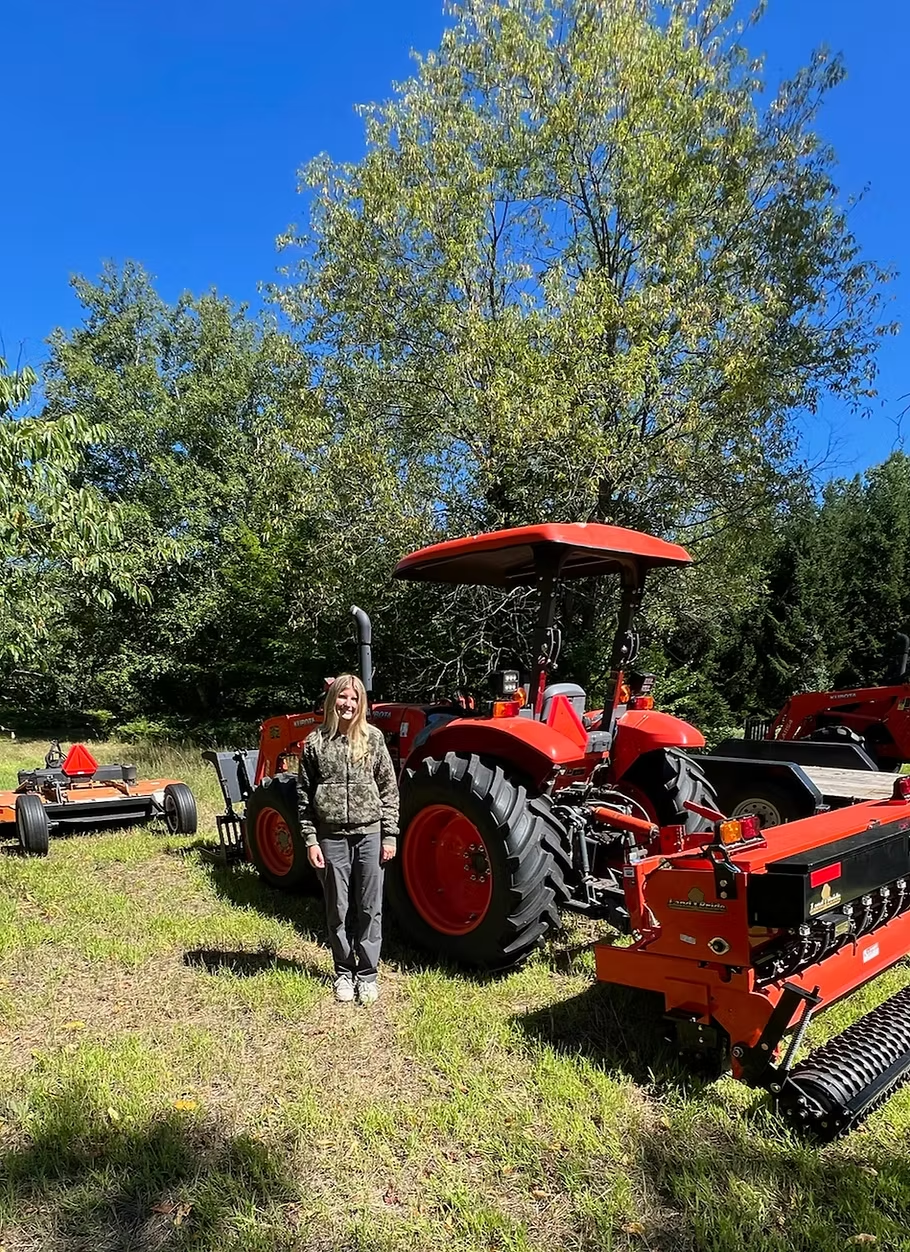
With a tractor, brush mower, and seed drill on loan, we cleared and prepped the field — laying the groundwork for over an acre of native wildflower and milkweed habitat.
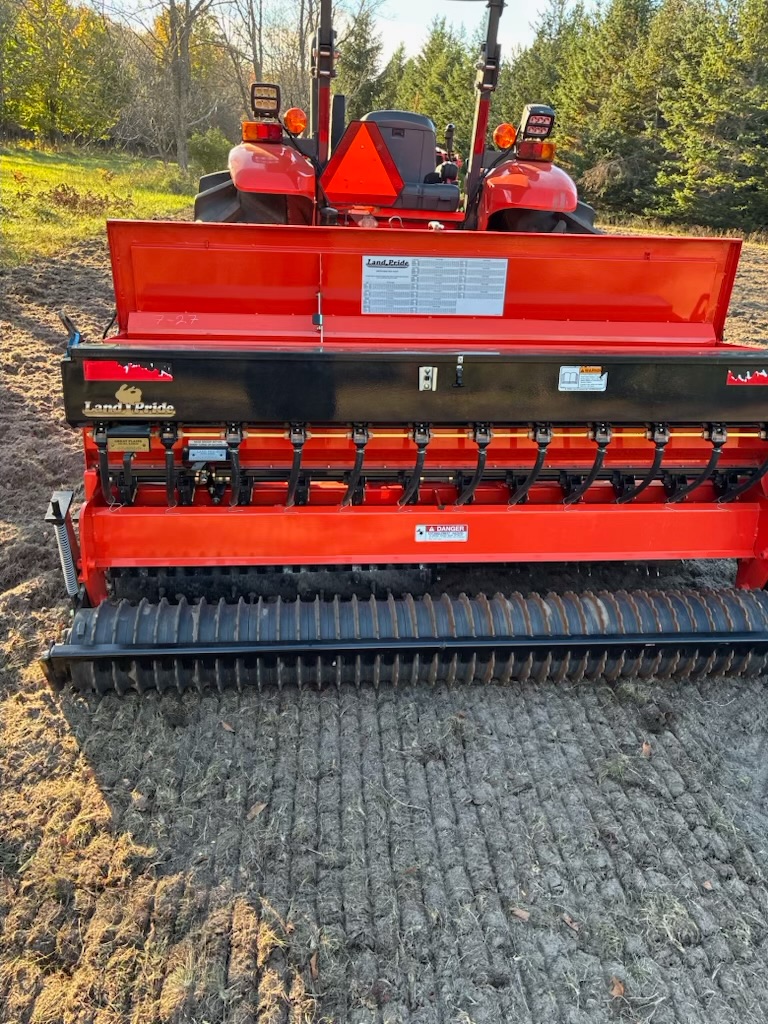
With the Land Pride drill loaded and the field tilled, we made pass after pass across the acre — pressing thousands of native wildflower and milkweed seeds into the soil. This was done as late in season as possible to avoid early germination but before the first snow.
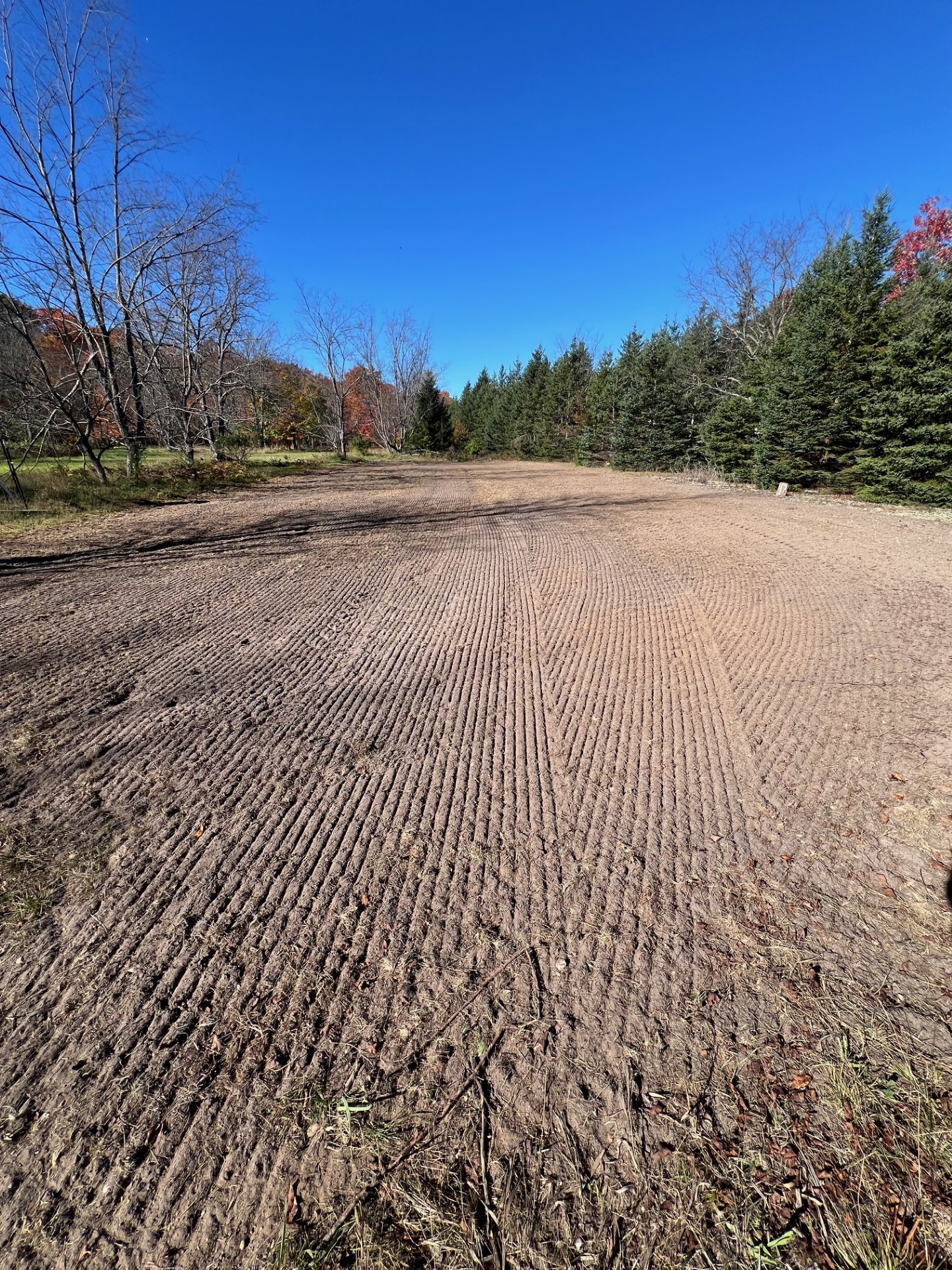
The waystation fields are ready for a long winter's nap.

Northern Michigan experienced a classic, heavy snowfall season. Lake-effect belts and inland areas easily surpassed 125 to 150 inches of total accumulation. This included a late blizzard in March which dropped 20" of snow on the waystation.
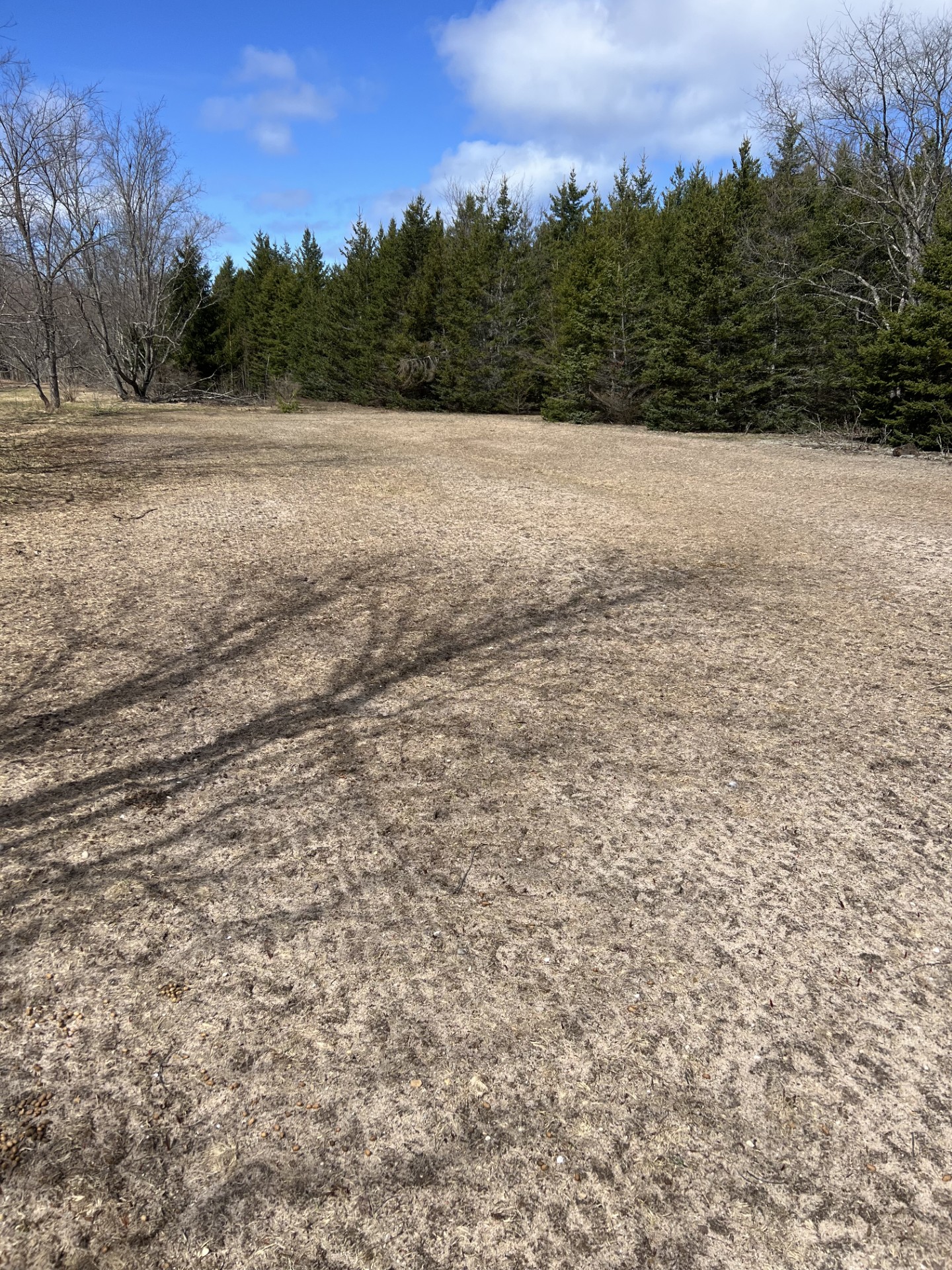
By the end of April, the snow had finally melted from the waystation fields. Early spring remained very cold, with no signs of growth yet. Will keep watching!
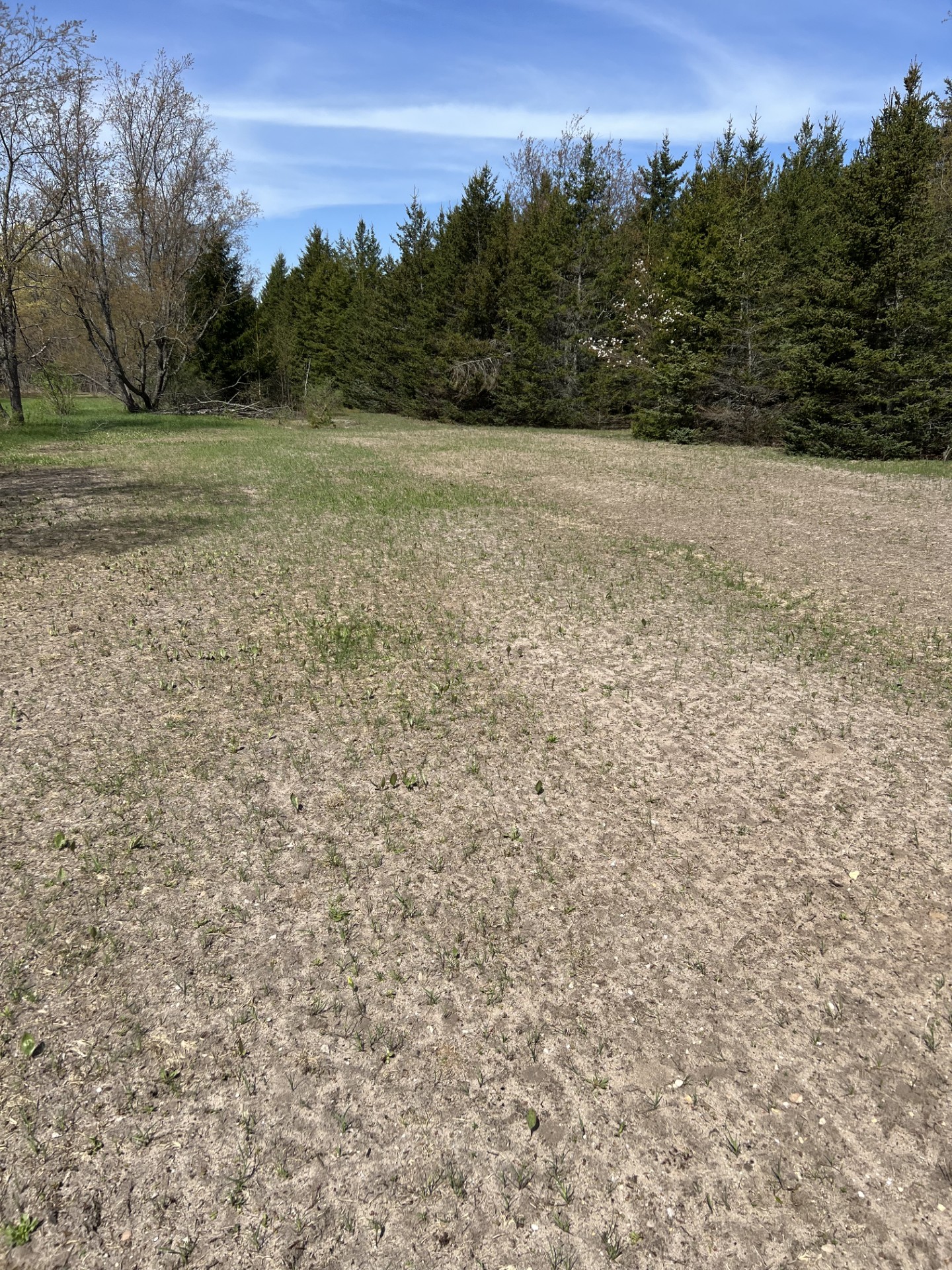
The first green shoots from the fields are coming up. Hard to tell what they are though. We planted a mixture of seeds and pre-existing natural grasses will likely also sprout.
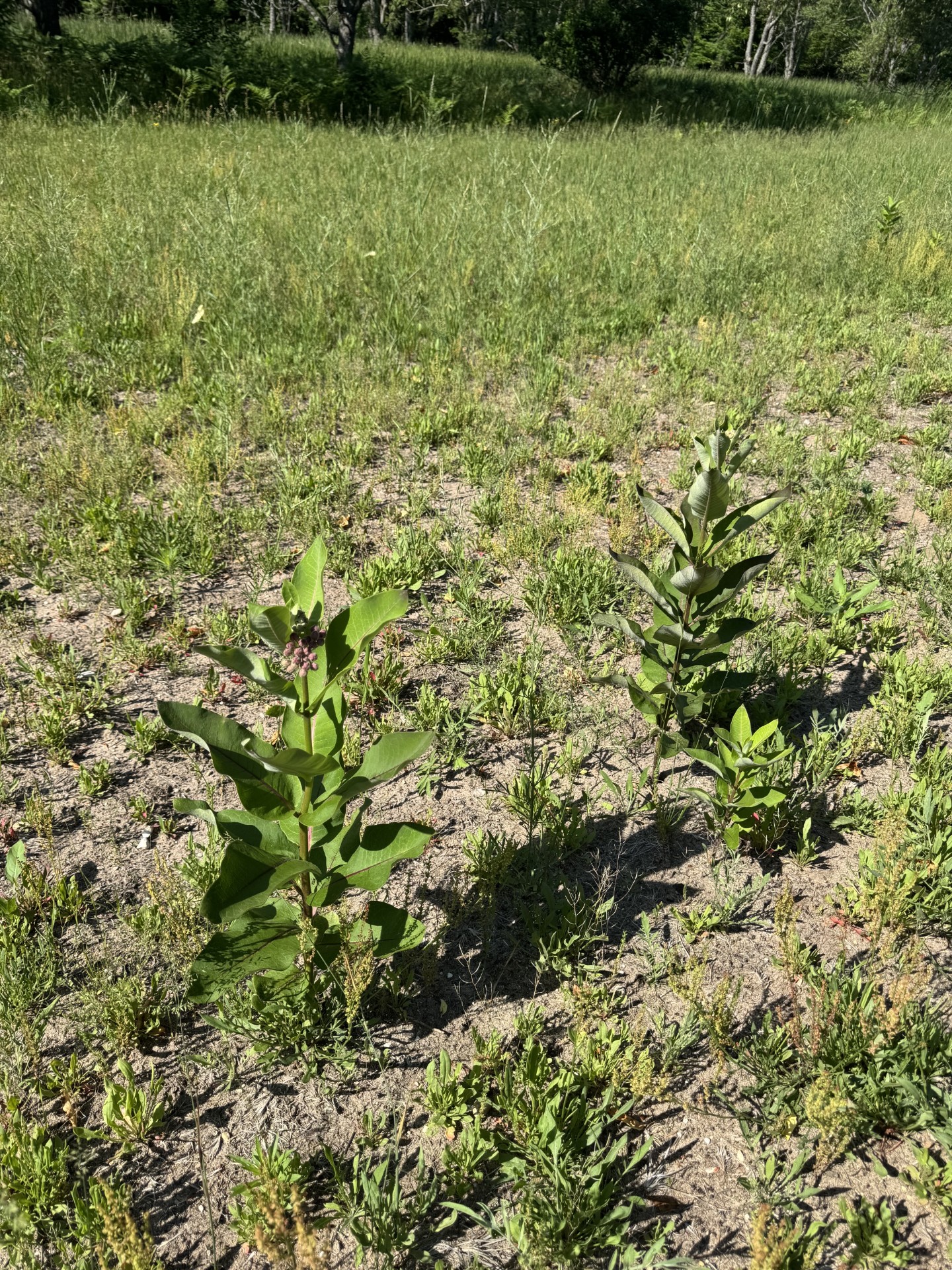
I could not get up to visit the waystation in June due to school final exams and sports playoffs. But a neighbor snapped this picture for me. Lots of plants are coming up and I can see stalks of milkweed.
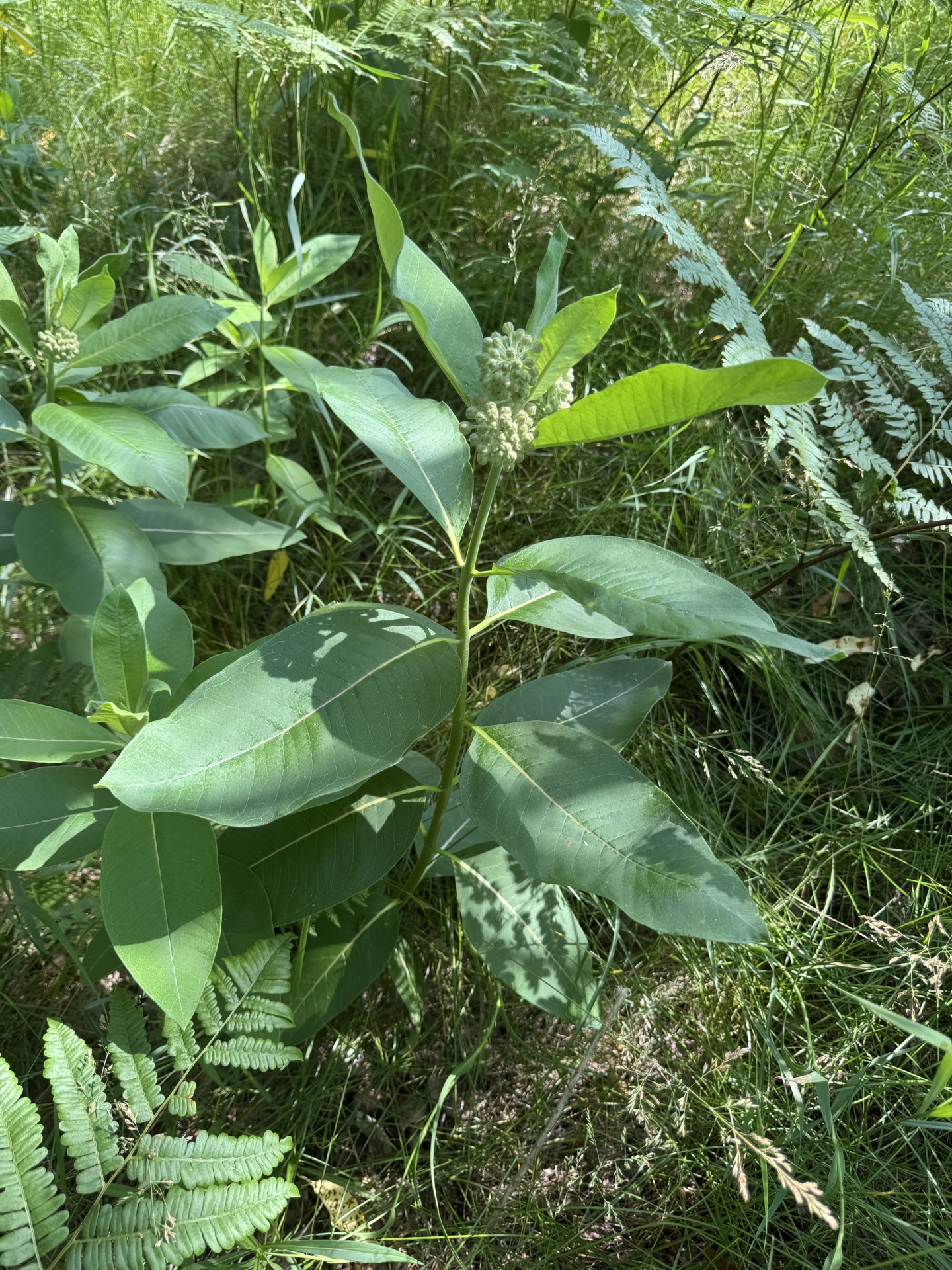
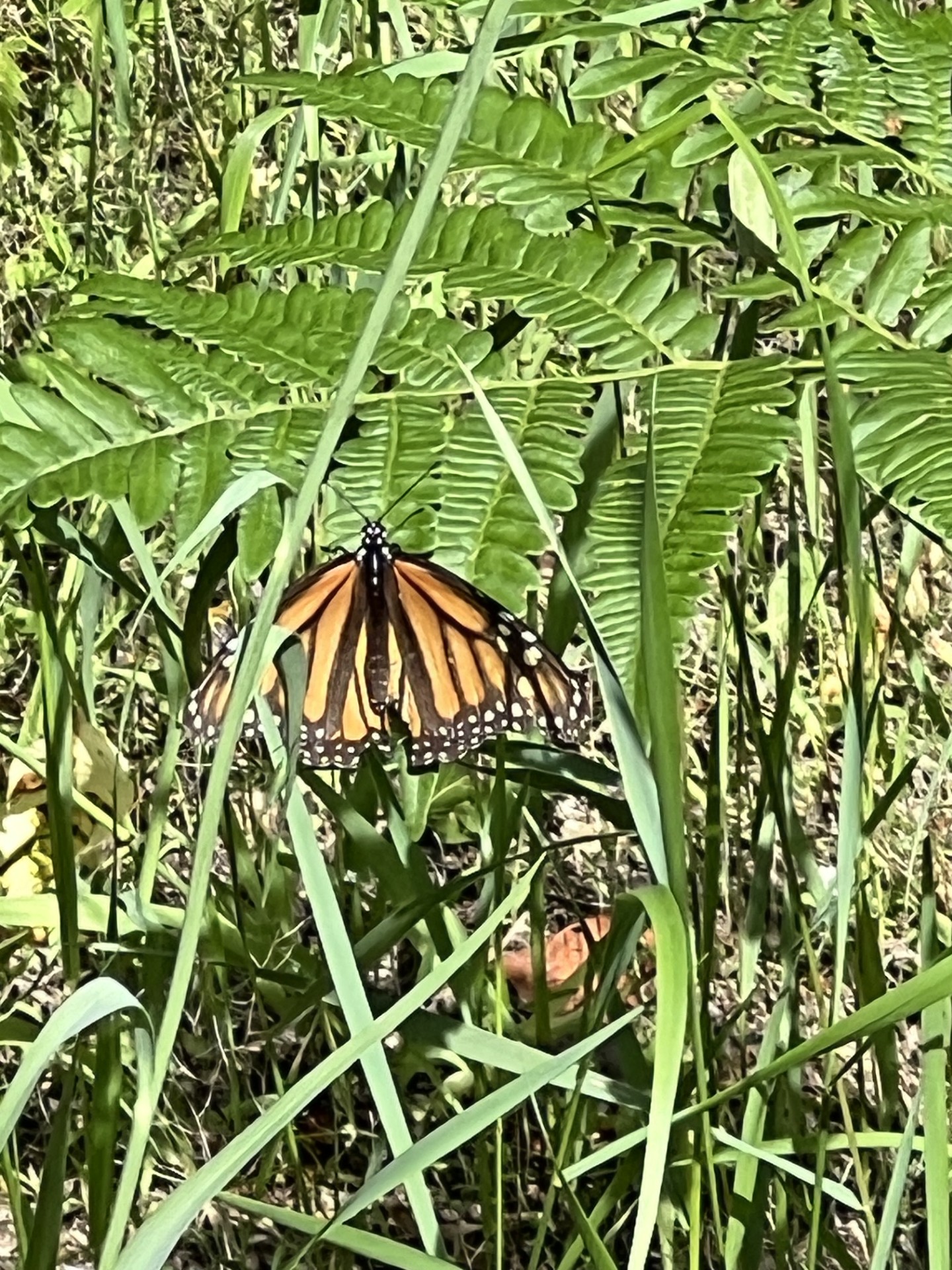
Mature Milkweed and Wildflower plants have grown, and more are coming up. The bigger of the two fields is having good growth and we saw our first Monarchs on July 3rd!
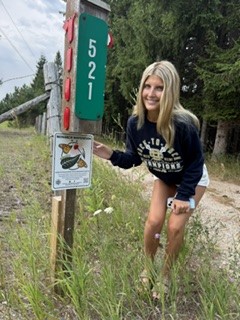
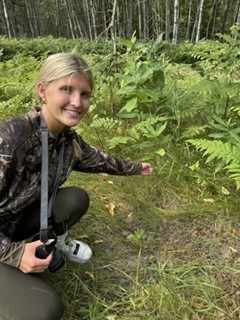
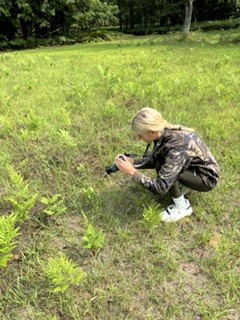
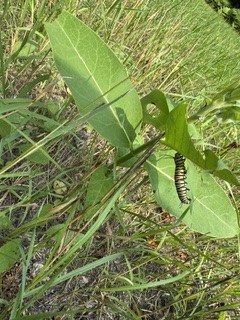
The first growing season has cultivated over 100 native milkweed plants, including at least 40 observed caterpillars — creating meaningful habitat for one of North America's most iconic pollinators.
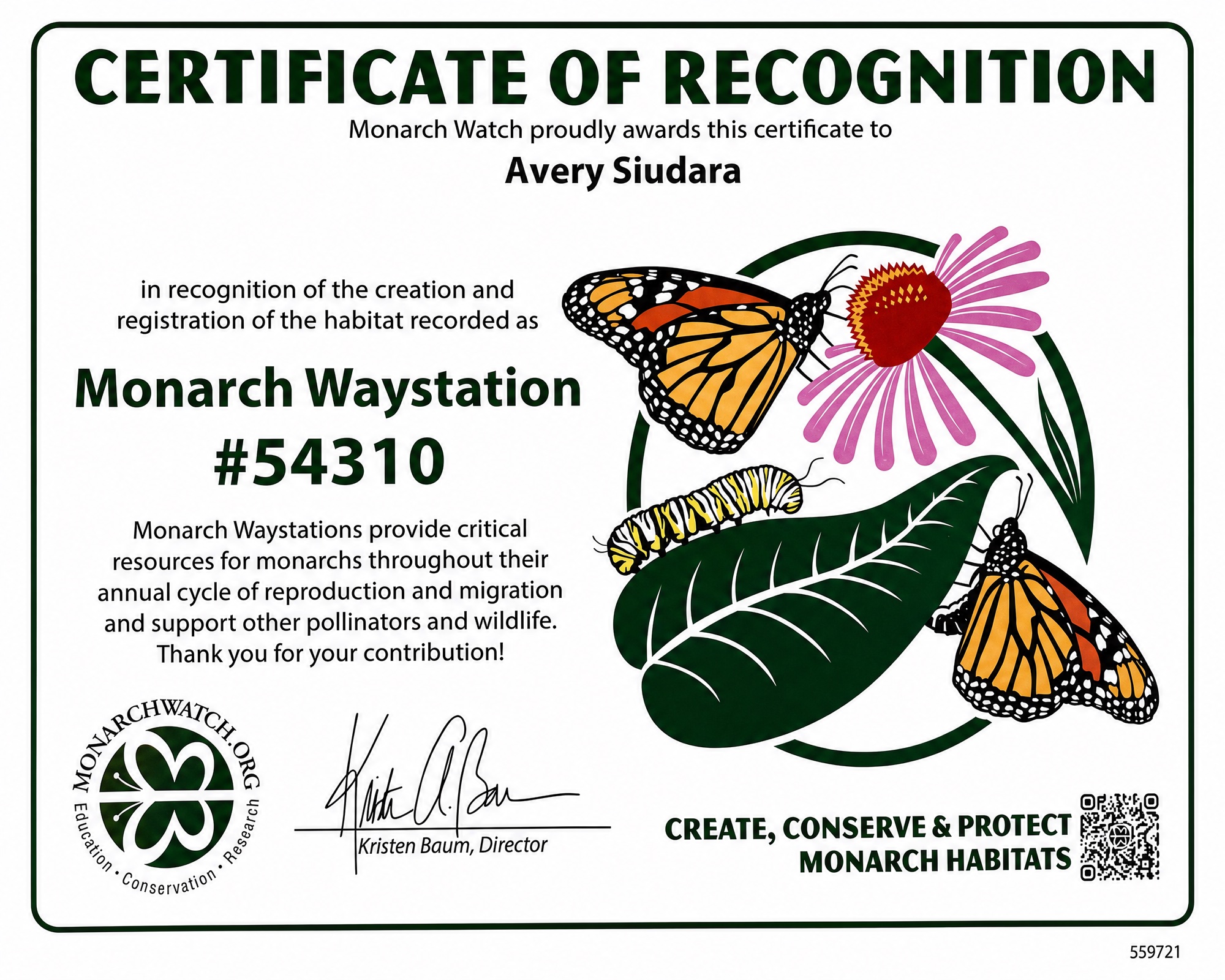
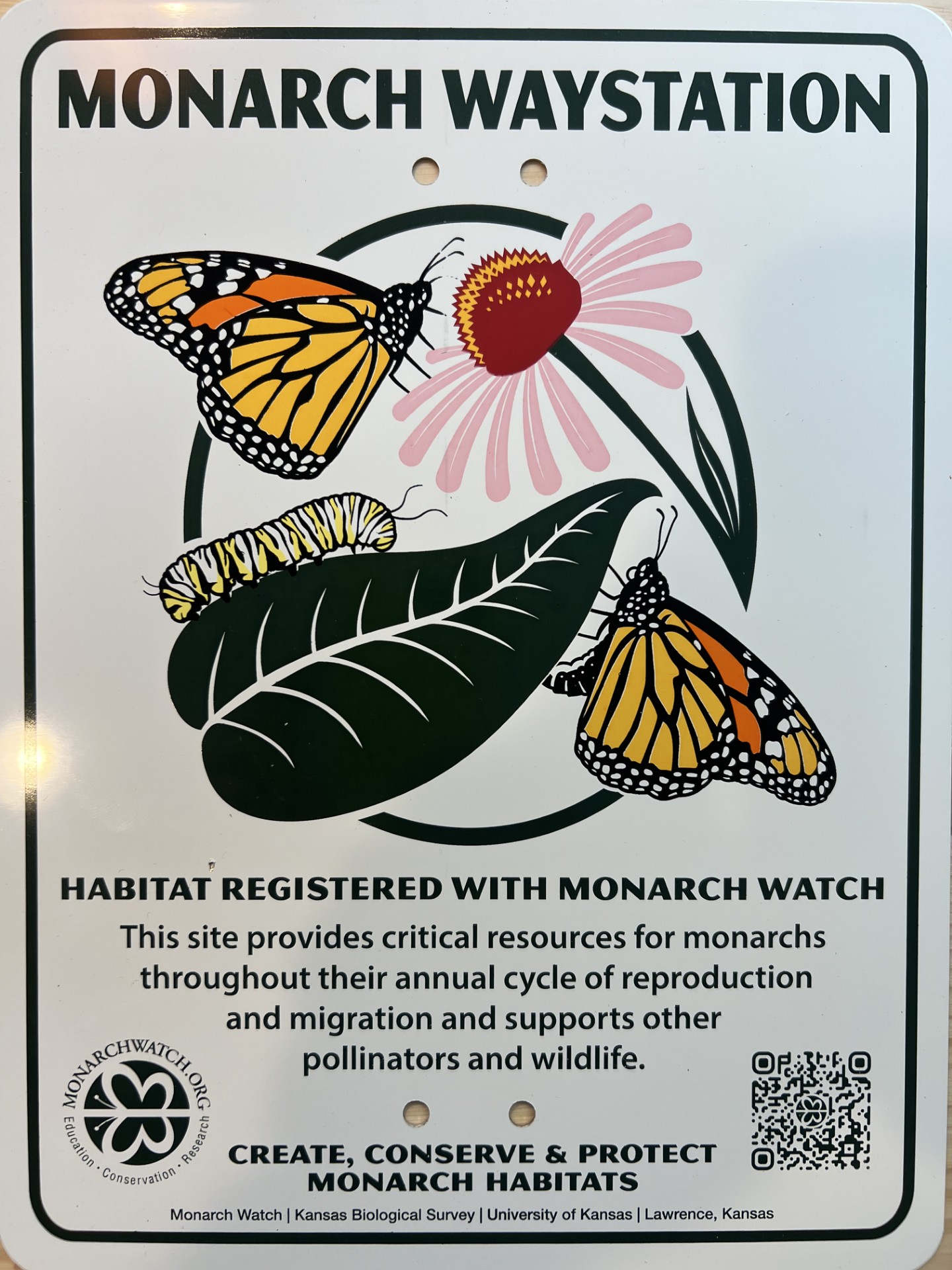
This project would not exist without the generosity, expertise, and encouragement of the following people and organizations.
Every garden counts. Our pollinator kits give you everything to start your own monarch habitat — wherever you are.
Get a Pollinator Kit →